
Summary – quick check during viewings:
When viewing a property, look out for: musty smells, peeling paint, tide marks on walls, mould on windows, blocked gutters, cracked render, and high external ground levels.
Damp is common, but it’s often misunderstood
Damp is one of the most common issues flagged in UK home surveys, especially in older housing stock. By the time it appears in a RICS report, buyers are often already emotionally and financially committed.
The good news is that many damp risks are visible during viewings, before you make an offer — if you know what to look for.
Damp itself is not automatically a deal-breaker. The real problem is not understanding the cause, extent, and cost before committing.
Why is damp such a big issue in UK homes?
A few reasons come up again and again:
- Rain — a lot of it, particularly during autumn and winter
- Poor or inconsistent maintenance over decades
- Inappropriate materials or construction methods, especially in older homes
Many UK period properties were built very differently from modern homes, and they manage moisture in a different way.
How older buildings are meant to deal with moisture?
- Solid wall buildings (typical Victorian and Edwardian homes):
- Rainwater hitting the brickwork is expected
- Moisture should be able to evaporate back out
- Vapour from inside the house can also pass through the walls
- This only works if breathable materials are used internally and externally
- Cavity wall buildings:
- More complex
- Designed to stop water reaching the inner wall altogether (and trap more heat within the inner wall)
- Failures often occur through blocked cavities, poor detailing, or retrofits
More on this later, but the key point is that modern, impermeable materials don’t always work well with older construction.
A simple way to think about damp
A building works when these elements function together:
- Outer fabric: keeps most water out (roof, gutters, walls, pointing)
- Moisture escape routes: allow any water that gets in to dry out
- Inner fabric and structure: maintain moisture balance, warmth, and ventilation
- Damp and mould tend to appear when one or more of these fail.
Typical failure patterns that can lead to damp & mould issues
- Outer fabric fails (e.g. slipped roof tile, blocked gutter, cracked render, bad retrofit designs)
→ water gets in → penetrating damp (often mislabelled as “rising damp”) - Moisture balance fails internally → poor ventilation + cold surfaces → condensation and mould
Because buildings need ongoing maintenance, damp is common but that also means it is often fixable and not always serious.
Why spotting damp early matters
Having some damp or mould is not unusual. What matters is understanding why it’s happening.
Remediation can range from:
- £500 cosmetic or ventilation fixes
- to £5,000+ if floors, structure, or external fabric are involved
Early screening helps you:
- Avoid unsuitable properties
- Price risk accurately before offering – to avoid negotiating at a later stage
It also reduces the chance of:
- Being upsold unnecessary damp treatments
- Panicking over survey wording
This is especially important if you’re an auction buyer, where there is no room for renegotiation. Note: if you suspect damp, it is recommended to get an independent survey by PCA-registered Damp & Timber Surveyor.
The three main damp types (what you’re actually looking for)
Before spotting signs, understand what they usually indicate:
- Condensation: Usually linked to ventilation, heating, and lifestyle patterns
- Penetrating damp: Water entering through external defects (roof, walls, gutters)
- Rising damp: Ground moisture moving up through masonry (Much much much rarer than commonly claimed – be very careful when a damp proofing company suggest chemical injection for riisng damp)
A good rule of thumb is to take an outside-in approach.
Internal signs to check during viewings
1. Wall surfaces (especially external walls)

Look for:
- Discoloured patches or uneven paint tones
- Bubbling, blistering, or flaking paint
- Crumbly or powdery plaster
Red flag pattern: Damage concentrated on one wall or chimney breast rather than evenly across rooms.
What it means: If around chimney breast, it could due to salt con
2. Tide marks and staining at low level

Check the bottom 300–1000mm of walls for:
- Horizontal staining lines (“tide marks”)
- Recently repainted lower walls with a different finish
- Skirting boards that look newer than the rest of the room
Important: Fresh paint may hide damp temporarily. External walls are much harder to disguise — always check outside.
What this might indicate:
- Bridging issues or external water ingress
(Not automatically “rising damp”) - Moisture entering near ground level
3. Smell (often more reliable than sight)
When you enter:
- Pause before windows are opened
- Note any musty, earthy, or stale smell
Cupboards, understair cupboards, and chimney breasts often reveal more than open rooms.
4. Windows and condensation clues
Look for:
- Mould on window reveals or silicone seals
- Black spotting on curtains or blinds
- Heavy condensation despite mild weather
This usually points to ventilation and thermal issues, which may affect comfort and running costs.
5. Floors and skirting boards
Subtle signs:
- Staining at the skirting-to-wall junction
- Small holes in floorboards (possible historic woodworm activity — often linked to damp timber)
- Softness near external walls (press gently with your foot)
In period homes, damp problems often start below floor level (“sub floor void”), where you can’t easily see them.
External checks
Quick external checklist
Walk around the property and look for:
- Gutters, joints, and downpipes: moss, cracks, staining
- Blocked gullies
- Cracks in render, brickwork, or chimney stacks
- Localised staining on walls
1. Gutters, downpipes, and roof edges
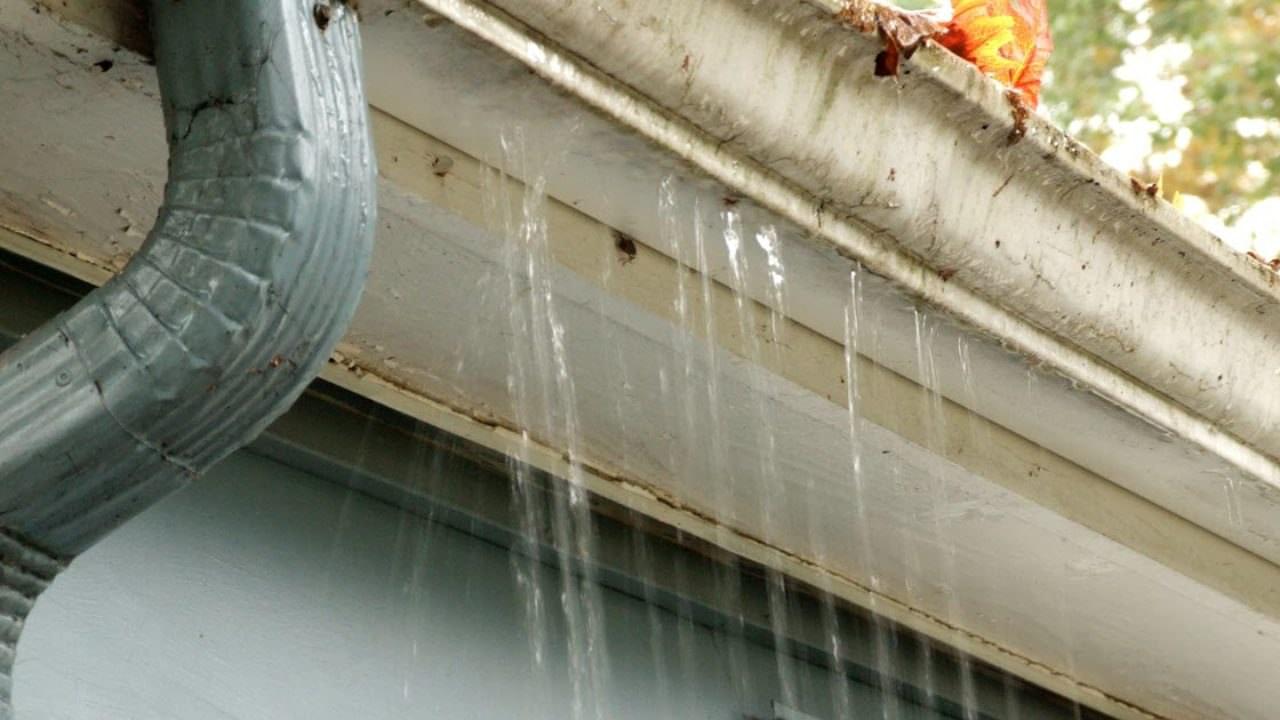
From ground level, check for:
- Overflow staining beneath gutters
- Downpipes discharging directly at the base of walls
- Missing, loose, or misaligned sections
2. External ground levels
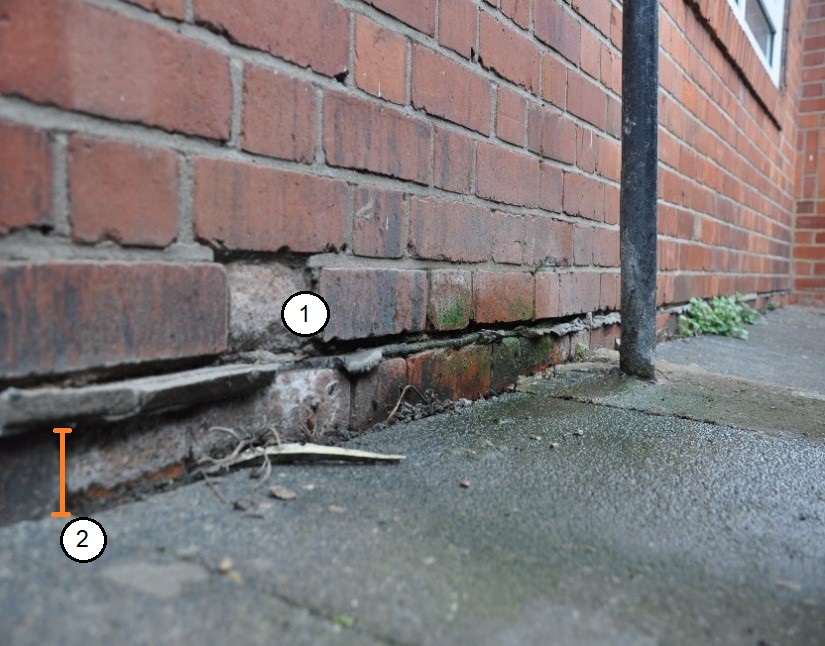
Look for a DPC:
- Usually a thin, dark horizontal line
- About 150mm (6 inches) above external ground
- Made of plastic, felt, or slate
- Older homes may have multiple slate layers or a hidden DPC
Key questions:
- Is the DPC visible and continuous?
- Has external ground level been raised over time? (New paving for driveways for example could raise the ground level)
- Could rain splash or soil be bridging the DPC?
If a DPC is present, chemical injection is often unnecessary, even if damp exists. Bridging due to raised ground is a very common cause of misdiagnosed “rising damp”.
3. Walls and pointing

Look for:
- Cracked or cement-heavy render on older brickwork
- Eroded or missing pointing
- Patch repairs in isolated areas
In Victorian and Edwardian houses, impermeable materials tend to trap moisture rather than keep it out. So moisture could get in via these openings and stay trapped, causing internal damp issues.
What not to rely on during viewings
- Fresh paint or new wallpaper
- Dehumidifiers running during viewings
- Verbal reassurance (especially from estate agents)
- Damp-proofing guarantees you haven’t reviewed
These are signals to ask better questions, not reasons to walk away automatically.
When damp should affect your offer
Consider pausing or adjusting your offer if:
- Serious damp issues, confirmed by damp specialists
- Multiple rooms show similar symptoms
- Floors or structural timbers may be involved
- The seller refuses further investigation
What to do next (the smart buyer approach)
- Screen at viewing using the checks above
- Offer with conditions if risk exists
- Commission targeted investigations
- “Price-in” the risk
This avoids overpaying for reports or panicking over survey wording.
How Survey Remedy helps
Survey Remedy helps buyers interpret damp risk before and after surveys. We do not sell damp treatments. Our role is to help you decide:
- Is this a problem?
- How big is it?
- What should it cost?
- Is this property still right for you?